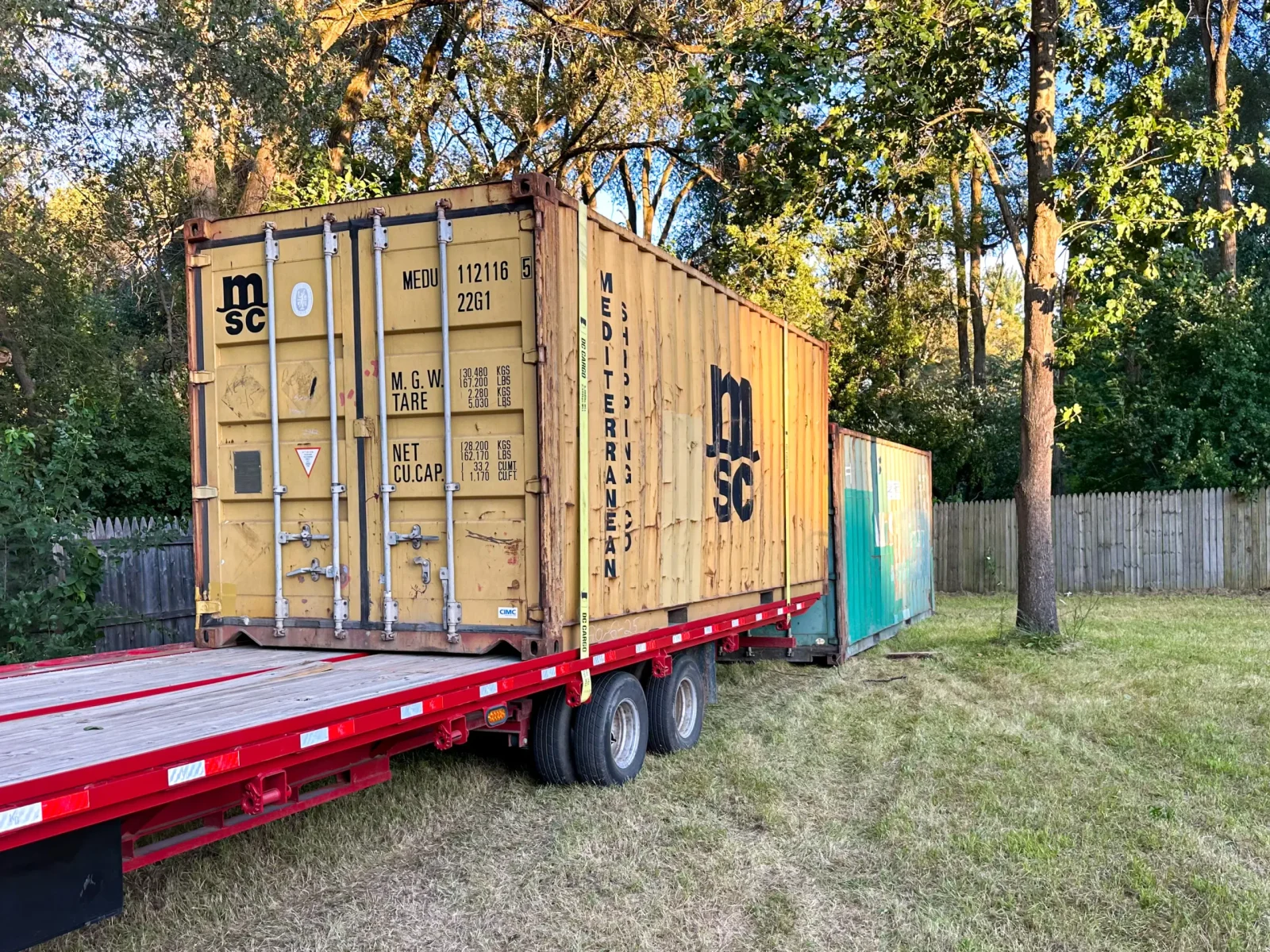
Comparing a self-storage facility with a container on your property? Start with monthly rent, delivery and pickup fees, access, and the length of time you expect to store your things. The lowest first-month price is not always the lowest total cost.
Michigan Self-Storage Rates: 2026 Planning Ranges
Typical Michigan prices vary by city, availability, access type, and promotions. Treat these as planning ranges, then confirm the regular rate and fees with the facility. For more market context, see this Michigan storage-unit price comparison.
| Facility Size | Approx. Floor Area | Typical Monthly Rate | Common Use |
|---|---|---|---|
| 5×5 | 25 sq. ft. | $33–$75 | Boxes, seasonal items |
| 10×10 | 100 sq. ft. | $85–$159 standard; $110–$216 climate-controlled | Contents of a small home |
| 10×20 | 200 sq. ft. | About $140–$250+ | Larger household, vehicle, or business storage |
| 10×30 | 300 sq. ft. | About $150–$250+ in many areas; higher in some metro markets | Large move, bulky equipment, inventory |
Climate-controlled 10×10 units run about 29% more than standard units on average, though the actual premium varies by facility. Ask about insurance, admin fees, deposits, locks, introductory discounts, and the rate after any promotion ends.
Container Costs: Rent Versus Buy
A used 20ft container has roughly 150–160 sq. ft. of floor area, close to a 10×15 unit by footprint. It offers full-height stacking, but it is not the same layout as a 10×20 facility unit. A 40ft container offers about 320 sq. ft., roughly comparable to a 10×30 by floor area.
| Storage Option | Approx. Capacity | Monthly Rent | Purchase Cost Amortized |
|---|---|---|---|
| 20ft USED container | About 150–160 sq. ft.; vertical stacking | $100–$175/month, plus delivery/pickup where applicable | $1,988–$2,242 delivered; about $55–$62/month over 36 months, or $33–$37 over 60 months |
| 40ft USED container | About 320 sq. ft. | $150–$250/month, plus delivery/pickup where applicable | One current 40ft USED listing showed $1,850 before delivery. With $575 local delivery, that is about $2,425, or $67/month over 36 months and $40 over 60 months. Confirm current pricing and availability. |
Amortization spreads the purchase price over time. It is not a monthly payment plan and does not include taxes, site preparation, insurance, security upgrades, maintenance, or resale value. Container rental rates are also affected by term and delivery distance. Review the container rental cost and delivery guide and request a quote for your ZIP code.
Break-Even: Include More Than The Monthly Rate
For a 10×10 facility, 12 months of rent at $85–$159 per month totals $1,020–$1,908, before fees, insurance, or rate changes. A used 20ft container starts around $1,988–$2,242 delivered. Buying means a larger initial outlay, but ownership also leaves you with an asset that may retain resale value.
A simple division of purchase price by rent can suggest break-even sooner than it happens in practice. The options may not match in capacity, and ownership can add costs for site preparation, a lock, insurance, and eventual removal or resale. As a conservative planning rule, containers typically become more cost-effective than renting a facility unit after roughly 2.5–3 years of use. Your actual break-even depends on the facility’s renewal rate, fees, delivery quote, site costs, and what you could recover if you sell the container.
For a fuller rental-versus-ownership discussion, see our shipping container and portable storage comparison.
Access And Labor
Container on your property: Access your belongings any time, without driving to a facility, entering a gate code, or working around office hours. Load once at your driveway or jobsite. For moves and renovations, that can mean fewer trips and less double-handling.
Self-storage facility: You load, drive, unload into the unit, then repeat the process when you need your items. Budget for time, fuel, and help with heavy furniture. Many modern facilities offer 24/7 PIN or app-based gate access, but hours and procedures vary. Check the specific facility before signing.
A container at an off-site storage yard is a different arrangement from one at home. Yard access may require advance notice and can involve visit fees.
Climate Control And Security
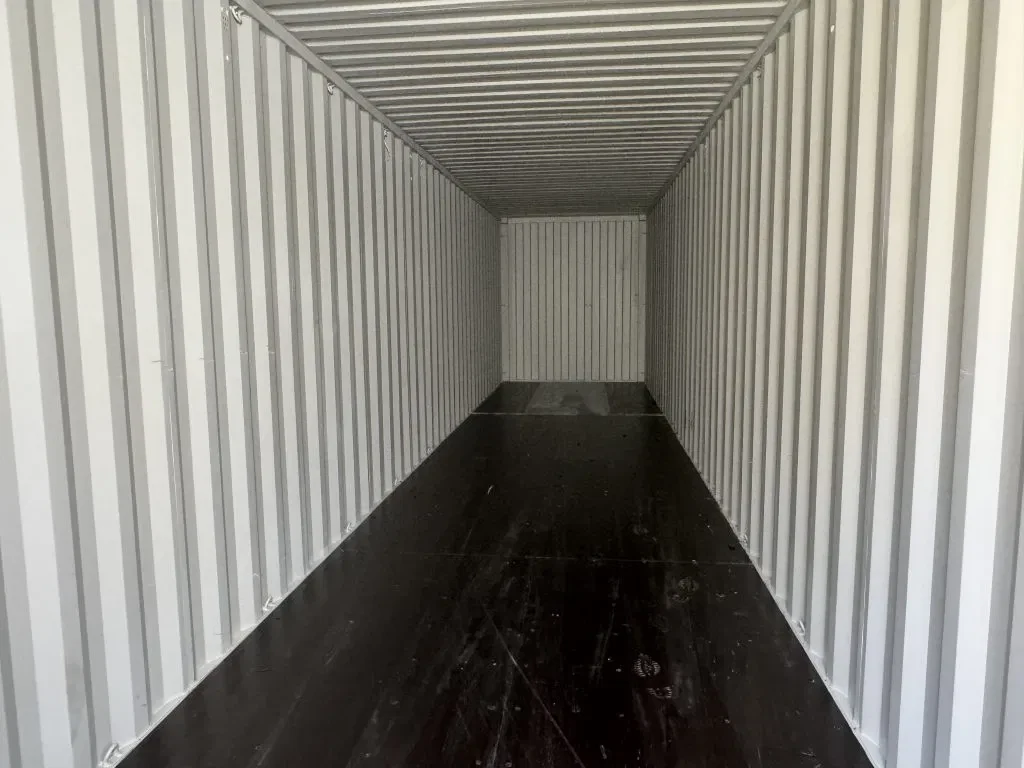
Michigan’s temperature swings can make an unconditioned steel container hot in summer and cold in winter. Freeze-thaw cycles also create a condensation risk. For wood furniture, electronics, photos, documents, instruments, leather, or other sensitive belongings, a climate-controlled facility may be the better choice for long-term storage.
For container storage, reduce moisture risk with ventilation, desiccants, dry loading, and space between stored items and the walls. Insulation may be appropriate for some uses, but it needs to be planned alongside moisture control. See our guides to humidity and moisture management and container insulation.
Security also depends on the setup. Facilities may offer cameras, controlled gates, staff, lighting, and individual alarms. A container relies on its lock and the security measures you add, though it sits in view on your property and has no shared hallway or row of unit doors. Use a quality lock and consider lighting or camera coverage. Our container security guide covers practical upgrades.
Capacity And Placement
A container’s open layout can suit furniture, appliances, tools, pallets, or business inventory. No facility hallway or stair carry between the car and unit. Plan the layout before loading so frequently used items stay accessible.
But first, confirm you can legally place one where you want it. Cities, townships, landlords, and HOAs may restrict containers by location, duration, screening, or permit. Apartments and strict HOAs may leave facility storage as the practical option. Read our Michigan placement and zoning guidance and check with your local municipality before ordering.
Both options commonly prohibit food and perishables, hazardous materials, plants, and living things. Facility rules and container rental terms vary, so check the agreement for your specific storage plan.
Which Option Fits Your Situation?
A facility unit may win for:
- Short-term storage or a small volume of belongings
- Apartments, strict HOAs, or properties where placement is not permitted
- Climate-sensitive contents
- Customers who prefer managed site security and do not need on-property access
A container may win for:
- Frequent access without driving to a facility
- Bulky or heavy items, renovation supplies, or move staging
- Farm or business inventory and construction materials
- A property with legal placement space and a longer storage horizon
- Customers looking to control ongoing costs after the break-even point
Get A Quote For Your ZIP Code
Constable Containers is a family-owned Michigan business offering 20ft, 40ft, and 40ft High-Cube containers for sale and lease, including USED WWT options. Sales delivery is a flat $575 up to 100 miles, with freight calculated at checkout beyond 100 miles. We use our own in-house fleet, not brokers.
Enter your ZIP code in the Instant Quote Tool to check current pricing. Same-day delivery may be available for orders placed by 10 AM; otherwise, scheduling is generally 1–3 business days, subject to inventory and site access.
LIMITED-TIME PROMO: $100 OFF CONTAINER PURCHASES.
Frequently Asked Questions
Is A Shipping Container Cheaper Than A Storage Unit In Michigan?
It depends on how long you need storage, the container’s delivered cost, facility fees, and the cost of preparing your site. Buying requires more upfront. As a cautious planning estimate, a container may become more cost-effective after roughly 2.5–3 years, but compare actual quotes and include delivery, site costs, and resale value.
How Much Does A 10×10 Storage Unit Cost Per Month?
Plan for about $85–$159 per month for a standard 10×10 unit, or $110–$216 for climate control. Prices vary by location, features, and promotions.
Can I Put A Storage Container On My Property?
Possibly. Local zoning rules, permits, property conditions, and HOA restrictions apply. Contact your municipality and HOA before ordering.
Do Containers Need Climate Control?
Containers are not climate-controlled. Ventilation, desiccants, and careful loading can help manage moisture, but temperature-sensitive items may be better kept in a climate-controlled facility.