
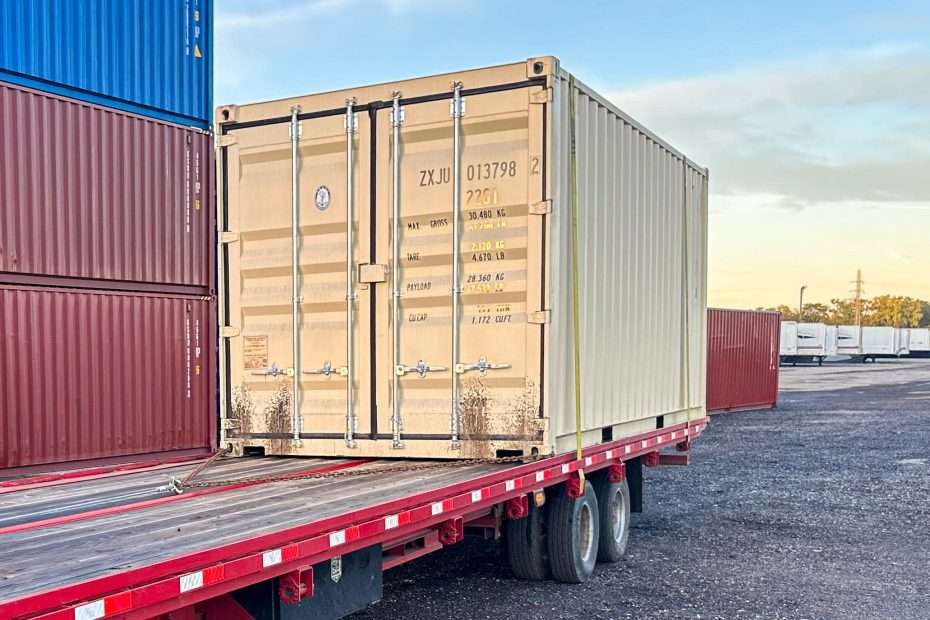
If you need a storage container in Michigan, fall is often the strongest buying window. Spring and summer bring peak demand from contractors, homeowners, farms, and businesses. By October, that rush slows. Depots still have inventory, delivery schedules open up, and buyers gain more room to compare grades and pricing.
For customers searching for used shipping containers in Michigan or shipping containers for sale in Michigan, the timing can be especially favorable from November through February.
Michigan Container Pricing: 2026 Market Ranges
Current Midwest pricing depends on size, condition, age, location, and delivery distance. For 2026, typical purchase ranges are:
| Container Type | Typical 2026 Midwest Price Range |
|---|---|
| Used 20ft WWT | $1,800–$2,800 |
| Used 40ft Standard | $3,200–$4,800 |
| Used 40ft High-Cube | Varies by inventory, condition, and height demand |
| One Trip / New | Higher than comparable used units |
| IICL / Premium Used | Higher than standard WWT inventory |
Detroit-area pricing remains competitive because Southeast Michigan is a major logistics and industrial market. Local inventory, depot availability, and delivery distance can still affect the final number.
The container price is only one part of the purchase. Ask for the complete delivered cost, including:
- Container size
- Grade: WWT, CWO, IICL, or One Trip
- Delivery mileage
- Placement requirements
- Site accessibility
- Seasonal scheduling
- Applicable promotions
Why Prices Firm Up During Spring And Summer
1. Construction Demand Increases
Michigan construction projects typically accelerate from spring through early fall. Contractors need secure jobsite storage for:
- Tools
- Building materials
- Equipment
- Temporary fencing and supplies
- Seasonal inventory
Construction companies often purchase or lease containers before projects begin. This concentrates demand during the same months when residential and commercial buyers are also planning storage.
2. Outdoor Storage Projects Begin
Homeowners, landscapers, farms, and small businesses commonly arrange storage during warmer weather. Dry ground makes site preparation and delivery easier. More projects move forward, and available inventory turns over faster.
3. Delivery Schedules Fill Quickly
Spring and summer deliveries compete for truck availability. A customer may find the right container but face a longer scheduling window because carriers are handling more orders.
Higher demand does not always mean a dramatic price increase. It does mean less negotiating room, fewer choices, and a greater risk that a preferred grade or size sells before the purchase is finalized.
Why Fall And Winter Create A Better Buying Window
Demand Stabilizes
By October, many spring and summer projects are complete or already supplied. New construction activity continues, but the buying rush generally slows.
That gives buyers more time to compare:
- 20ft vs. 40ft
- Standard vs. High-Cube
- WWT vs. IICL
- Used vs. One Trip
- Sale vs. rental
Depots Need To Clear Inventory
Used containers remain in domestic yards after peak shipping and construction activity. When inventory is available and demand cools, sellers have more incentive to move units before the next busy season.
This is one reason buyers may see a 5%–10% off-season savings opportunity from November through February, depending on current stock, grade, and delivery conditions.
Savings may come through:
- Lower container pricing
- Better delivery availability
- Grade upgrades
- Reduced wait times
- Promotional discounts
More Flexible Delivery Scheduling
Fall buyers often have more delivery-date options than spring buyers. Faster scheduling is valuable for businesses preparing for winter inventory, homeowners completing a move, and contractors securing tools before the next project cycle.

The 2026 Market Context: Why Used Containers Offer Strong Value
The 2026 market is separating into two segments.
New and One Trip containers remain affected by manufacturing costs, ocean freight, tariffs, and international supply conditions. Used containers already located in U.S. depots are less exposed to those factors.
Recent market reporting describes used inventory as stable to soft, while new and One Trip pricing remains firmer. See the 2026 container market analysis from Giant Lockbox for additional national context.
For Michigan buyers, that creates a practical value advantage:
- Used units cost less upfront
- Domestic inventory is easier to source
- Minor cosmetic wear does not affect storage performance
- WWT units provide secure, weather-resistant storage
- IICL units offer a higher used-condition standard
- 40ft units provide more storage per delivery than smaller specialty sizes
A used container is often the right choice for jobsite storage, equipment, household goods, inventory, and agricultural use. One Trip or IICL may be more appropriate for customer-facing locations, conversions, offices, or projects where appearance and condition are priorities.
WWT, IICL, And One Trip: What To Buy
WWT USED
Wind And Watertight
Best for:
- Household storage
- Construction materials
- Equipment
- Farm storage
- Business inventory
- Private property placement
Expected condition:
- Weather-resistant exterior
- Normal dents, paint wear, and surface rust
- Secure locking doors
- Suitable for static storage
IICL USED
Higher-Grade Used Inventory
Best for:
- Businesses
- Long-term storage
- Customer-visible locations
- Buyers wanting cleaner used condition
- Projects requiring better doors, floors, and structure
IICL units typically cost more than standard WWT units because they have been maintained to a higher inspection standard.
ONE TRIP
Newer Unit With One International Voyage
Best for:
- Container conversions
- Studios and workshops
- Offices
- Pop-up shops
- Hospitality projects
- Customer-facing applications
One Trip units generally offer cleaner paint, straighter panels, newer floors, and tighter seals. They also carry a higher purchase price.
Spring Delivery Complications In Michigan
Buying in fall can also help you avoid spring delivery problems.
Michigan applies seasonal weight restrictions, commonly called frost laws, as roads recover from winter freeze and thaw conditions. On some state trunklines, restrictions begin in late February or early March and continue into April or May, depending on region and road conditions.
For 2026, MDOT’s state trunkline restrictions began in February and were lifted statewide in stages, with the final restrictions ending in May. Check the MDOT seasonal weight restriction bulletins for current dates and route information.
Local county and city restrictions vary. Some local roads can impose separate limits during the spring thaw.
Potential delivery issues include:
- Reduced axle-weight limits
- Route changes
- Slower truck travel
- Additional scheduling coordination
- Soft or muddy customer sites
- Delays for loaded container deliveries
- Restricted access on county or city roads
The exact impact depends on the truck, route, container weight, road classification, and local rules. Buying and scheduling delivery before the spring thaw can reduce these variables.
How To Lock In A Fall Purchase
1. Select The Size And Grade
Choose between:
- 20ft WWT USED
- 40ft WWT USED
- 40ft High-Cube
- IICL
- One Trip
For tight residential sites, a 20ft container is easier to place. For larger inventory or equipment, a 40ft container offers significantly more capacity.
2. Inspect The Roof And Door Seals
Before winter delivery, confirm:
- No roof punctures
- No severe roof dents holding water
- Continuous door gaskets
- Functional locking bars
- No excessive corrosion around the doors
- Floor remains solid and dry
In Michigan, small door-seal problems can become more noticeable when temperatures drop. Ice, snow, and freeze-thaw cycles can make poorly aligned doors difficult to operate.
3. Prepare The Placement Area
Plan the site before the ground freezes.
Recommended preparation:
- Level, compacted ground
- Gravel or a firm paved surface
- Railroad ties, concrete blocks, or other corner supports
- Adequate truck clearance
- No low branches or overhead obstructions
- Sufficient room for the delivery truck and container swing path
Avoid placing the container directly on soft soil. Settling can affect door alignment and allow moisture to collect beneath the floor.
4. Confirm Delivery Requirements
Provide your ZIP code, delivery address, preferred date, site photos, and access details. Confirm:
- Delivery truck type
- Required width
- Straight-line clearance
- Overhead clearance
- Door orientation
- Ground conditions
- Placement location
5. Reserve Before Inventory Tightens
Fall inventory may offer better selection, but popular sizes and grades can still sell quickly. Reserve early if you need:
- Multiple matching units
- A 40ft High-Cube
- IICL condition
- One Trip condition
- A specific color or door configuration
- Delivery before winter weather

Buy Used Shipping Containers In Michigan From Constable Containers
Constable Containers helps residential customers, contractors, farms, small businesses, and large organizations compare container sizes, grades, delivery requirements, and total pricing.
Available inventory includes:
- 20ft WWT USED
- 40ft WWT USED
- 40ft HC USED
- 20ft One Trip
- 40ft HC One Trip
- 40ft IICL Multi-Trip
- Specialty and side-door containers
Our delivery pricing is straightforward, including a FLAT $500 DELIVERY FEE UP TO 90 MILES where applicable. Enter your ZIP code through the Instant Quote tool to see pricing based on your location and selected container.
$100 OFF ON ALL CONTAINER PURCHASES , LIMITED TIME ONLY
A family-owned business provides a direct point of contact, practical recommendations, and help selecting a container that fits the intended use. No need to overpay for One Trip condition when WWT storage will handle the job. No need to choose a lower grade when your project requires better appearance or tighter tolerances.

Final Buying Recommendation
For Michigan buyers, fall and winter provide three clear advantages:
- Potential 5%–10% off-season savings from November through February
- More availability across WWT, IICL, One Trip, and High-Cube inventory
- Faster scheduling before spring weight restrictions and muddy ground conditions
If you need a container for storage, equipment, inventory, or a jobsite, compare used options before spring demand returns.
GET AN INSTANT QUOTE or CONTACT CONSTABLE CONTAINERS to confirm current availability, delivery cost, and applicable promotions.
Frequently Asked Questions
Are Used Shipping Containers Cheaper In Michigan During Fall?
Often, yes. Demand typically declines after the spring and summer construction season, while used inventory remains available. Buyers may see better pricing or more favorable terms from November through February.
How Much Does A Used Container Cost In Michigan In 2026?
Typical Midwest ranges are approximately $1,800–$2,800 for a used 20ft container and $3,200–$4,800 for a used 40ft container. Final pricing depends on grade, location, delivery, and availability.
Should I Buy A WWT Or IICL Container?
Choose WWT for practical, weather-resistant storage. Choose IICL when you want a higher-grade used unit, cleaner appearance, or better condition for long-term or customer-facing use.
Can Spring Weight Restrictions Delay Container Delivery?
Yes. Michigan frost laws can reduce legal axle weights and restrict certain routes. Local county and city rules vary. Schedule delivery before spring restrictions when possible, and confirm the current route with the supplier.
How Do I Get A Delivery Price?
Enter your ZIP code, container type, and delivery information through Constable Containers’ Instant Quote tool. The team can verify site details and provide the final delivery information.
{“@type”:”FAQPage”,”@context”:”https://schema.org”,”mainEntity”:[{“name”:”Are used shipping containers cheaper in Michigan during fall?”,”@type”:”Question”,”acceptedAnswer”:{“text”:”Often, yes. Demand typically declines after the spring and summer construction season, while used inventory remains available. Buyers may see better pricing or more favorable terms from November through February.”,”@type”:”Answer”}},{“name”:”How much does a used container cost in Michigan in 2026?”,”@type”:”Question”,”acceptedAnswer”:{“text”:”Typical Midwest ranges are approximately $1,800 to $2,800 for a used 20ft container and $3,200 to $4,800 for a used 40ft container. Final pricing depends on grade, location, delivery, and availability.”,”@type”:”Answer”}},{“name”:”Should I buy a WWT or IICL container?”,”@type”:”Question”,”acceptedAnswer”:{“text”:”Choose WWT for practical, weather-resistant storage. Choose IICL when you want a higher-grade used unit, cleaner appearance, or better condition for long-term or customer-facing use.”,”@type”:”Answer”}},{“name”:”Can spring weight restrictions delay container delivery in Michigan?”,”@type”:”Question”,”acceptedAnswer”:{“text”:”Yes. Michigan frost laws can reduce legal axle weights and restrict certain routes. Local county and city rules vary. Scheduling delivery before spring restrictions can help reduce delays.”,”@type”:”Answer”}}]}