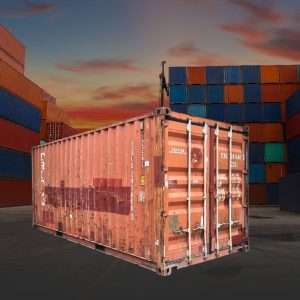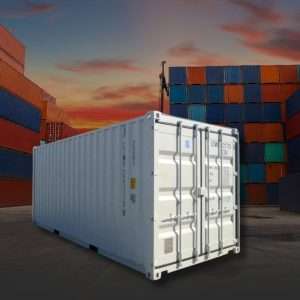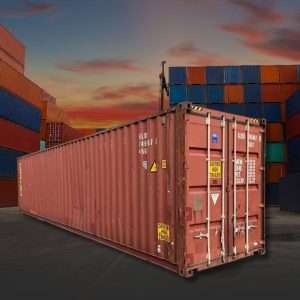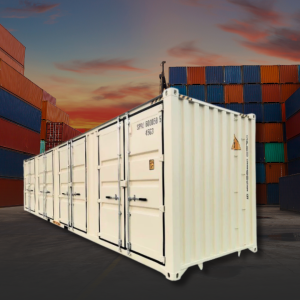


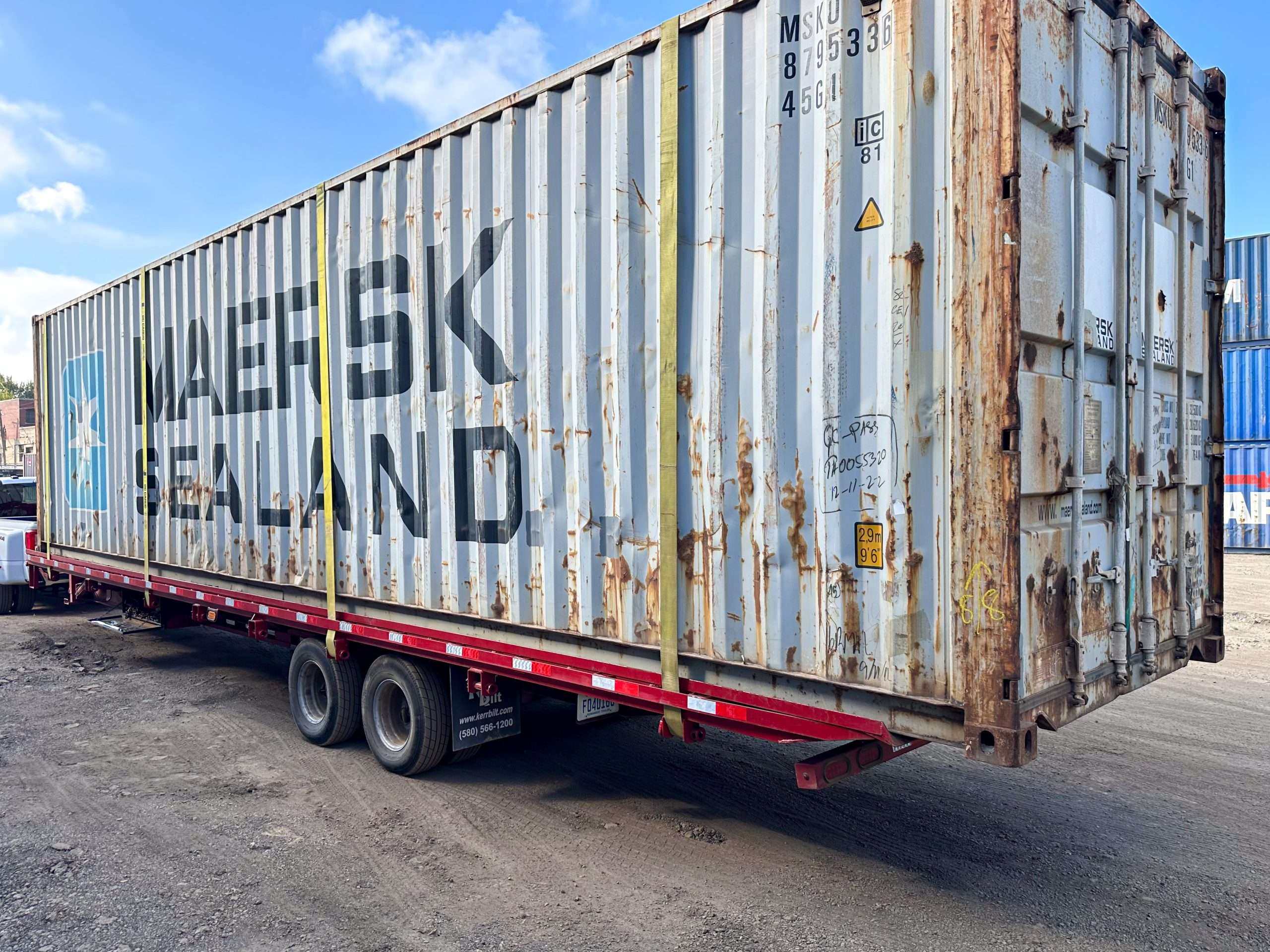

We’re committed to supplying containers that meet strict quality standards—so you can buy with confidence. Every 40ft HC unit is visually inspected by a container specialist before release and checked again with you at delivery.
• ISO-compliant construction
• Wind & watertight (WWT)
• Marine-grade steel with a durable wooden floor
• High-cube height for added vertical capacity
At drop-off, you and the driver complete our Delivery Inspection Checklist. If a defect covered by the Constable Containers Quality Guarantee is identified, we’ll arrange a repair at no cost to you.
40FT HC Used Shipping Container — Overview
A 40ft High-Cube (9’6″ exterior height) offers the same footprint as a standard 40ft container, plus ~1 foot of extra internal height. That added clearance makes HC units ideal for tall equipment, racking, double-stacked totes, or builds that benefit from more headroom. The 40ft HC equals 2 TEUs (two 20ft units) and is widely used across construction, agriculture, retail, logistics, and personal storage.
Key Benefits
• Extra Vertical Space: ~12″ more internal height than standard 40ft—great for tall items, pallet racking, and forklift-friendly loading.
• Cost-Effective: Used HC units deliver major savings versus near-new “one-trip” options while remaining highly functional for land-based use.
• Durable: Built to survive ocean conditions—stacking pressure, wind, salt, and impact—ideal for long-term storage or conversion projects.
• Versatile: Additional headroom expands use cases from warehousing and workshops to retail builds and offices.
• Portable & Secure: Designed for truck/rail transport with heavy-gauge steel walls and lockable cargo doors.
Buying Considerations
• Condition & Grade: Used units may show cosmetic wear (surface rust, patches, dents, former shipping marks). Choose the grade that fits your needs (e.g., WWT vs. cargo-worthy).
• Price Drivers: Age, condition, location, season, supply/demand, and HC height typically carry a premium over standard height.
• Delivery & Site Access: Delivery fees vary by distance/method. Confirm clear access for the truck and a firm, level pad for placement.
• Modifications: Common adds include vents, personnel doors, windows, insulation, power, and shelves. Factor modification costs and local installer availability into your budget.
• Permitting: Check local regulations—especially for city lots, ADUs, or commercial installations.
• Placement & Clearance: A 40ft delivery typically needs about 120 ft of straight clearance plus overhead room for tilt and set-down. Verify extra height for trees, eaves, and wires.

Dimensions & Specs (40ft High-Cube)
• Exterior (approx.): 40′ L × 8′ W × 9’6″ H
• Floor area (approx.): ~320 sq ft
• Internal height (typical): ~8’10” (varies by manufacturer)
• Capacity: Typically ~10–13% more cubic volume than standard 40ft
• Typical tare (empty) weight: ~8,600–8,900 lbs
• Typical max payload: up to ~66,000–67,000 lbs
• Construction: Corten (weathering) steel, marine-grade plywood floor
Note: Specs can vary slightly by manufacturer and year. Ask us for a current spec sheet if you have tight tolerances or permitting requirements.
What Fits in a 40ft HC (Examples)
• Tall equipment, stacked pallet loads, and long materials
• Bulk agricultural inputs (hay, feed, seed) with overhead clearance for handling
• Warehouse overflow with racking or mezzanine-style shelving
• Build-outs needing headroom (drop ceilings, HVAC runs, lighting)
Popular Uses
• Jobsite, farm, and warehouse storage (with extra headroom)
• Mobile workshops and project offices
• Retail pop-ups and event activations (brandable height)
• Studios and maker spaces with overhead fixtures
• Conversion projects where ceiling height matters (subject to local codes)
Cost & Availability
Pricing reflects height (HC), age/grade, location, and market conditions. We quote container price and delivery separately based on your ZIP/Postal code and site details. Used HC units offer excellent value when vertical space is needed without moving to multiple smaller boxes.
Delivery & Setup Tips
• Base: Level, well-drained surface (gravel pad, concrete blocks, or railroad ties recommended)
• Access: Adequate turn radius and overhead clearance for the truck and the taller box
• Orientation: Plan for door swing, drainage, ramps, and future relocation needs